The process of aging is driven by changes in how our genes function, not just by the genes we inherit. A growing body of research identifies epigenetics—reversible modifications that regulate gene activity without altering the underlying DNA sequence—as a fundamental mechanism in aging. These molecular marks act as switches, turning genes on or off in response to our environment and the passage of time. Over a lifetime, the pattern of these switches can become disorganized, leading to the cellular decline associated with aging. However, because these epigenetic changes are not permanent, they have become a promising target for interventions designed to slow or even reverse age-related damage.
The Molecular Switches That Control Your Genes
Epigenetics primarily controls gene expression through a multilayered network of chemical tags attached to DNA or its associated proteins. According to a review in the journal Signal Transduction and Targeted Therapy, two of the most studied mechanisms are DNA methylation and histone modification. These processes work together to create a dynamic script that tells each cell which genes to read and which to ignore.
DNA methylation is a process that directly modifies the DNA molecule. It involves adding a small chemical tag, a methyl group, to a specific DNA building block called cytosine. As explained by the life science company Active Motif, this modification often occurs in the promoter regions of genes—the segments of DNA that initiate gene activity. The presence of methyl groups in a promoter typically acts as a stop sign, repressing gene expression by physically blocking the cellular machinery that reads the gene or by recruiting proteins that compact the DNA, making it inaccessible.
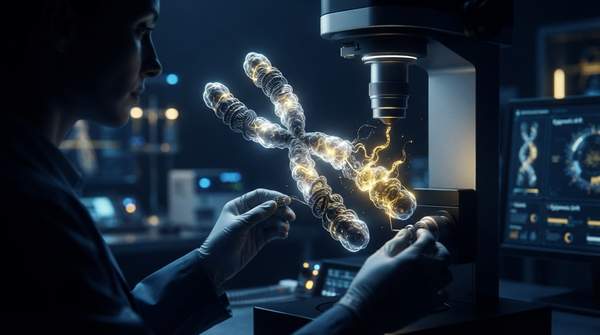
Histone modifications, on the other hand, target the proteins that package our DNA. DNA is tightly wound around spool-like proteins called histones, and this combined structure is known as chromatin. Chemical modifications to the tails of these histone proteins can change how tightly the DNA is wound. Some modifications cause the chromatin to relax, opening it up and allowing genes to be expressed. Others cause it to condense, effectively silencing the genes within that region. This dynamic remodeling of chromatin is a crucial way cells control large sets of genes simultaneously.