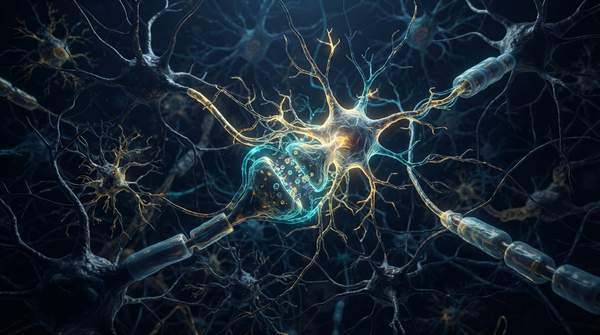
For more than a century, the brain’s non-neuronal cells were collectively dismissed as “glia,” the Greek word for glue, suggesting their role was merely to hold the more important neurons in place. This perspective, however, has been thoroughly overturned. Far from being passive support structures, the brain's glial cells—primarily astrocytes, microglia, and oligodendrocytes—are now understood to be active and indispensable participants in nearly every aspect of brain function. They regulate synaptic communication, orchestrate the brain's immune responses, and ensure the high-speed transmission of neural signals. When these critical functions go awry, glial cell dysfunction emerges as a central driver in the pathology of many devastating neurological and neuropsychiatric disorders.
Beyond Support: The Active Roles of Glial Cells
The central nervous system (CNS) is a complex ecosystem where different cell types perform specialized jobs. While neurons are famous for transmitting electrical and chemical signals, glial cells are the master regulators that create and maintain the environment for this communication to happen effectively. The three most prominent types of glial cells in the CNS each have a distinct and vital portfolio of responsibilities. Astrocytes are the most abundant, acting as multitasking managers of brain homeostasis. Microglia serve as the brain's dedicated immune cells, constantly on patrol for signs of damage or pathogens. Oligodendrocytes are the expert insulators, responsible for wrapping neuronal axons in a fatty sheath called myelin. Together, their coordinated activities are fundamental to brain physiology, from forming the blood-brain barrier to modulating inflammation and supporting synaptic health.
Astrocytes: Orchestrators of Synaptic Function and Brain Homeostasis
Making up an estimated 40% of all cells in the human brain, astrocytes are star-shaped cells that are intimately involved in neuronal activity. According to UCLA Medical School, these cells, once considered simple brain glue, are now recognized as highly specialized contributors to both brain health and disease. Their processes make close contact with neuronal synapses, forming a structure known as the "tripartite synapse" alongside the pre- and post-synaptic neurons. This unique position allows them to directly influence local neurotransmission. Astrocytes perform a range of critical maintenance tasks, including buffering potassium ions to regulate neuronal excitability and participating in the release of their own neurotransmitters.
They also play a key role in synaptic pruning, a process that refines neural circuits. Beyond the synapse, astrocytes contribute to the formation and maintenance of the blood-brain barrier and are central to the brain's inflammatory response to injury, a process called astrogliosis.
Microglia: The Brain's Immune Sentinels
Microglia are the primary immune defenders of the central nervous system. Originating from progenitors in the embryonic yolk sac, they are distinct from other brain cells and function as the guards of the CNS. In a healthy brain, microglia are in a "homeostatic" state, constantly extending and retracting their fine processes to survey their local environment for signs of trouble. Upon detecting injury or infection, they rapidly activate, changing their shape and function to address the threat. This response can involve secreting a variety of pro- or anti-inflammatory cytokines to control inflammation, or transforming into phagocytic cells that clear away cellular debris and pathogens.
This immune function is essential for maintaining the physiological health of the nervous system. However, as the brain ages, microglial gene expression changes, which may help explain why aging is a major risk factor for many neurodegenerative conditions.
Oligodendrocytes: Essential for Myelination and Signal Transmission
The primary and most well-known function of oligodendrocytes is the production of myelin in the central nervous system. Myelin is a lipid-rich substance that these cells wrap in concentric layers around neuronal axons, forming an insulating sheath. This myelination is not merely passive insulation; it is critical for enabling saltatory conduction, a process that allows electrical signals to jump rapidly between gaps in the myelin, dramatically increasing the speed and efficiency of nerve impulse transmission. Without this, communication across the brain would be slow and unreliable. In addition to facilitating rapid signaling, the myelin sheath also provides vital metabolic support to the axons it envelops. The brain also contains a population of proliferative cells known as NG2-glia, which can differentiate into mature oligodendrocytes throughout life, allowing for the maintenance and repair of myelin.
Glial Cell Communication: A Coordinated Brain Response
Glial cells do not operate in isolation; they are constantly communicating with each other and with neurons to mount coordinated responses. The crosstalk between microglia and astrocytes is particularly crucial for managing the brain's immune response. For an efficient defense, these two cell types must engage in bidirectional communication of inflammatory signals. For example, pattern recognition receptors like RAGE, which are expressed on microglia, astrocytes, and neurons, can detect danger signals and trigger a coordinated innate immune response across multiple cell types. This intricate interplay ensures that the brain can react effectively to threats. However, this communication network is a double-edged sword.
When dysregulated, it can contribute significantly to the progression of disease. A critical aspect of this system is the need for a "resetting" mechanism to return activated microglia to their homeostatic state. Molecules like CD200 facilitate this process, but if it fails, chronic inflammation can persist, causing widespread damage.
Comparative Impact of Glial Cell Dysfunction in Neurological Disorders
While glial cells are essential for a healthy brain, their dysfunction is a hallmark of many neurological conditions. Aberrant signaling, chronic neuroinflammation, and the loss of supportive functions are common themes in disorders ranging from neurodegenerative diseases to neuropsychiatric conditions. The specific manner in which each glial cell type fails contributes uniquely to the pathology of different diseases, turning these cellular caretakers into agents of harm.
| Glial Cell Type | Key Functions in Healthy Brain | Dysfunction Mechanism | Associated Neurological Disorder(s) |
|---|---|---|---|
| Astrocytes | Form tripartite synapses, buffer potassium, release neurotransmitters, contribute to the blood-brain barrier, and perform synaptic pruning. | When induced by activated microglia, they can become neurotoxic "A1" astrocytes. These cells lose their normal supportive functions and gain the ability to kill neurons and oligodendrocytes. In Huntington's disease, they also exhibit impaired glutamate uptake. | Neurodegenerative diseases, including Parkinson's Disease and Huntington's Disease. |
| Microglia | Act as the primary immune cells of the CNS, responding to injury and infection, clearing debris, and maintaining synaptic homeostasis. | Chronic activation leads to sustained neuroinflammation. In Huntington's disease, mutant huntingtin protein enhances their pro-inflammatory responses, exacerbating neuronal damage. They can also induce the neurotoxic A1 state in astrocytes. | Neuroinflammatory and neurodegenerative diseases, including Huntington's Disease. Their dysfunction is also implicated in depression through neuroimmune mechanisms. |
| Oligodendrocytes | Form the myelin sheath around axons to enable rapid signal transmission and provide metabolic support to neurons. | Demyelination, the loss of the myelin sheath, impairs neuronal communication. In Huntington's disease, their maturation and myelination capacity are impaired. They can also be killed by neurotoxic A1 astrocytes. | Neurodegenerative conditions such as Huntington's Disease and immune-mediated neuropathies. |
Understanding Glial Dysfunction: A Path to Targeted Therapies
The evidence is clear: the dysfunction of astrocytes, microglia, and oligodendrocytes is not a secondary effect of neurological disease but an active and primary driver of pathology. For instance, research has identified a specific subtype of reactive astrocytes, called A1 astrocytes, which are induced by activated microglia. These A1 astrocytes become directly neurotoxic, losing their normal functions and gaining the ability to rapidly kill both neurons and oligodendrocytes, contributing to the progression of conditions like Parkinson's disease. In Huntington's disease, chronic microglial activation and impaired astrocyte function work in concert to worsen neuronal damage. Even in neuropsychiatric conditions like depression, psychological stress can trigger central and peripheral inflammation, pointing to a key role for neuroimmune dysfunction and altered neuronal-microglial interactions.
This paradigm shift in neuroscience, which places glial cells at the center of disease mechanisms, opens up promising new avenues for treatment. Understanding the specific roles glia play in these processes would greatly benefit the development of new therapeutics. The future of treating many neurological disorders may depend on our ability to move beyond neuron-centric approaches. The development of novel therapeutic agents that specifically modulate astrocyte, microglia, or oligodendrocyte activity, or that restore healthy communication between them, represents a critical frontier in the search for effective treatments for neurodegenerative and neuroinflammatory diseases.
Sources
- Glial Cells in Health and Disease — Nature
- Glia in neurological disorders — Nature
- Frontiers | Editorial: Glial cells and immune cells in neuroinflammatory and neurodegenerative diseases
- Frontiers | Microglia and Astrocyte Function and Communication: What Do We Know in Humans?
- Glial cells and neurologic autoimmune disorders - PMC
- Glial Cells — UCLA Medical School
- The Structure and Function of Glial Networks: Beyond the Neuronal Connections - PMC
- Role of neuroinflammation in neurodegeneration development - Signal Transduction and Targeted Therapy — Nature
- Human Glial Cells as Innovative Targets for the Therapy of Central Nervous System Pathologies - PMC
- MDPI