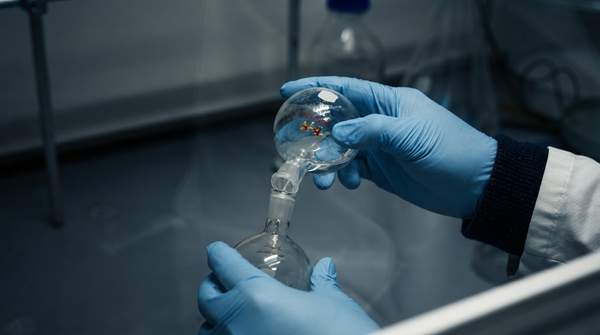
Immunotherapy fights cancer by harnessing the body's own immune system, but the three most prominent approaches do this in fundamentally different ways. Immune checkpoint inhibitors are drugs that release the natural "brakes" on T cells so they keep attacking tumors. CAR T-cell therapy involves removing a patient's own T cells, genetically modifying them in a laboratory, and infusing them back as targeted cancer killers. Cancer vaccines train the immune system to recognize cancer-related targets it might otherwise miss. Understanding these distinctions — and the serious side effects that can accompany CAR T-cell therapy — can make a conversation with an oncologist far more productive.
Understanding Immunotherapy: Harnessing Your Body's Defenses Against Cancer
The immune system is naturally capable of detecting and destroying abnormal cells, but cancer has ways of evading it. Immunotherapy encompasses treatments designed to overcome that evasion — by helping immune cells better recognize cancer, strengthening immune responses, or removing the signals that stop immune cells from acting, as the Cancer Research Institute explains. The field has grown rapidly: more than 40 immunotherapy drugs have been approved to treat over 30 cancer types, according to the institute's overview of immunotherapy by cancer type.
Immunotherapy is not a single treatment but a family of them. The National Cancer Institute lists several categories in use, including immune checkpoint inhibitors and T-cell transfer therapy, in which immune cells are taken from the patient and bolstered. When considering immunotherapy, healthcare providers evaluate multiple factors, including the cancer's type and stage, genetic mutations or biomarkers, previous treatments, and the patient's overall health. Certain immunotherapies are specifically approved for particular cancer types or for patients with specific cellular biomarkers.
Immune Checkpoint Inhibitors: Releasing the Brakes on T-Cells
Checkpoint inhibitors work by exploiting a built-in safety mechanism. T cells are powerful fighters — sometimes too powerful, as Cleveland Clinic puts it — so the body uses checkpoint proteins to manage the signals that tell T cells when to turn on and when to stand down. Cleveland Clinic likens these proteins to traffic monitors switching traffic lights off and on. The problem is that these same checkpoints can help cancer cells escape T-cell attack.
Checkpoint inhibitor drugs stop the checkpoint proteins from telling T cells to turn off. The result, in Cleveland Clinic's framing, is that T cells keep fighting cancer for longer. The National Cancer Institute describes the same mechanism from the other direction: checkpoints are a normal part of the immune system that keep responses from being too strong, and by blocking them, these drugs allow immune cells to respond more strongly to cancer. The American Cancer Society summarizes the effect simply — these drugs remove the immune system's brakes, allowing it to recognize and attack cancer. Widely used examples include pembrolizumab (Keytruda) and nivolumab (Opdivo), according to the Cancer Research Institute.
CAR T-Cell Therapy: Custom-Engineered Immune Fighters
Where checkpoint inhibitors work with the T cells a patient already has, CAR T-cell therapy builds a new weapon from them. The process, as described by Cleveland Clinic, begins when a provider removes T cells from the patient's body and modifies them in a lab so they grow a protein called a chimeric antigen receptor, or CAR. These engineered cells are then multiplied and infused back into the patient as what Cleveland Clinic calls "supercharged" CAR T cells.
Once in the body, the modified T cells attach directly to cancer cells. Memorial Sloan Kettering Cancer Center explains that once a CAR T cell attaches to a cancer cell, the body sends other types of immune cells to kill it. This makes CAR T-cell therapy a highly personalized, cell-based treatment: it requires laboratory manipulation of the patient's own cells and their reinfusion. Cleveland Clinic notes that this approach — part of a broader category called adoptive cell therapy — is used to make T cells better at fighting blood cancers, which is where these engineered cells have found their main clinical application.
Cancer Vaccines: Training the Immune System to Recognize Threats
Cancer vaccines take a third path: rather than removing a brake or engineering a cell, they teach. According to the Cancer Research Institute, cancer vaccines train the immune system to recognize cancer-related targets, helping immune cells find cancer more precisely. The American Cancer Society describes their purpose as starting an immune response against certain types of cancer.
The logic parallels vaccination against infectious disease. The vaccine presents cancer-related material — antigens — to the immune system, which then learns to identify cancer cells carrying those markers as a threat and mount an attack. Administration resembles traditional vaccination, typically involving injections to stimulate the response. Unlike preventive vaccines given before disease, therapeutic cancer vaccines are used in the context of treating existing cancer, and their use is approved for specific cancer types rather than applied broadly.
Comparing Key Immunotherapy Approaches
The three approaches can be distinguished along three fundamental properties: what biological process each manipulates, how each is made and delivered, and what each targets. The table below draws those comparisons directly from the mechanisms described by the National Cancer Institute, Cleveland Clinic, the American Cancer Society, the Cancer Research Institute, and Memorial Sloan Kettering.
| Therapy Type | Mechanism of Action | How It's Made/Administered | Primary Target |
|---|---|---|---|
| Immune checkpoint inhibitors | Block checkpoint proteins that normally tell T cells to turn off, "releasing the brakes" so T cells stay active and keep fighting cancer | Drugs; examples include pembrolizumab (Keytruda) and nivolumab (Opdivo) | Checkpoint proteins on immune cells or cancer cells — the "off" signals themselves |
| CAR T-cell therapy | Patient's T cells are genetically modified in a lab to grow CAR proteins that let them recognize, attach to, and kill cancer cells | T cells are collected from the patient, modified and multiplied in a lab, then infused back into the patient | Specific antigens on cancer cells, particularly in blood cancers |
| Cancer vaccines | Train the immune system to recognize cancer-related targets, starting or boosting an immune response against cancer | Administered as vaccines, typically injections, similar to traditional vaccination | Cancer-related antigens, teaching immune cells to find cancer more precisely |
The comparison clarifies why the three are not interchangeable. One is a drug that removes a suppression signal; one is a personalized cell product engineered outside the body; one is a training stimulus. Which one applies in a given case depends on the cancer type, its stage, and the biomarkers involved.
Navigating Potential Side Effects of CAR T-Cell Therapy
The power of engineered T cells comes with distinctive risks, and two syndromes in particular dominate the safety conversation. The first is cytokine release syndrome, or CRS. Cleveland Clinic explains that the supercharged T cells can use their fighting power against the patient's own body, causing inflammation that damages organs. Memorial Sloan Kettering identifies CRS as a recognized complication of CAR T-cell therapy and of related immunotherapies such as bispecific antibodies.
The second is immune effector cell-associated neurotoxicity syndrome, or ICANS. According to Cleveland Clinic, ICANS occurs when that inflammation harms the nerves and brain specifically — and in severe cases it may cause brain swelling that can be fatal. Both syndromes are consequences of the same mechanism that makes the therapy work: an immune response powerful enough to kill cancer cells can also injure normal tissue. Patients receiving CAR T-cell therapy are monitored for these toxicities, and anyone considering the treatment should ask their care team how CRS and ICANS are watched for and managed at their particular center.
Why Immunotherapy Isn't Always a Universal Solution
Even when the mechanism fits the diagnosis, immunotherapy does not work for everyone — and sometimes it stops working. The National Cancer Institute is blunt about the scale of the problem: only a small portion of people who receive immunotherapy respond to the treatment, and finding ways to predict who will respond is a major area of research. The institute also notes that researchers are testing combinations of checkpoint inhibitors with other immunotherapies, targeted therapy, and radiation to overcome resistance.
The American Cancer Society describes why. Cancer cells can sometimes outsmart the immune system by making substances that turn it off or help the cells hide from the immune response. Drug resistance can cause immunotherapy to stop working, through genetic changes that make cancer cells unrecognizable to the immune system or changes in the cell environment that interfere with immune function. And people simply respond differently: variation from person to person affects how well immunotherapy works against their cancer. The Cancer Research Institute adds that not all cancers respond the same way — every cancer is different, which is why approval for a given immunotherapy is tied to specific cancer types and, in some cases, specific biomarkers.
Empowering Your Conversation with Your Doctor
Readers should use this comparative understanding to formulate specific questions about any recommended immunotherapy, focusing on mechanism, administration, and potential side effects. Concretely, that means asking: Is the proposed treatment a checkpoint inhibitor, a cell therapy like CAR T, or a vaccine? How is it given, and what does that involve? If it is CAR T-cell therapy, how does this center monitor for CRS and ICANS? Does my cancer carry the biomarkers for which this treatment is approved?
The measurable outcome is that the reader asks targeted questions about the mechanism, administration, and specific risks of recommended immunotherapy treatments. That conversation, grounded in an understanding of brakes, engineered cells, and immune training, is where this knowledge becomes genuinely useful — and it is the right standard for judging whether a treatment plan has been fully explained.
Sources
- What Is Immunotherapy? — CANCER
- Immunotherapy by Treatment Types - Cancer Research Institute
- Immunotherapy by Cancer Type - Cancer Research Institute
- Immunotherapy for Cancer
- What Is Immunotherapy? — Cleveland Clinic
- About Cytokine Release Syndrome (CRS) and Neurotoxicity Syndrome — MSKCC
- What Is ICANS? — Cleveland Clinic